Signs Your Main Sewer Line Is Clogged
Several slow drains, gurgling sounds and yard clues can point to one clogged main line. Learn the pattern Littleton homeowners should watch for.
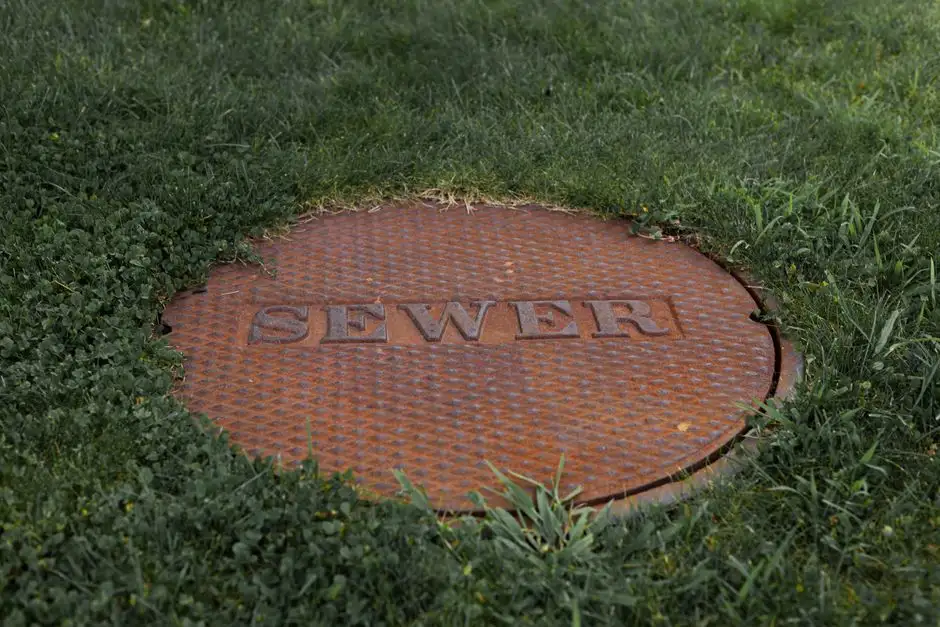
One slow drain is an annoyance. Several slow drains are a warning. Your main sewer line carries every drop of wastewater out of your Littleton home, and when it starts to clog, the signs show up in a pattern across the house rather than in a single sink. We are Littleton Sewer Backup Pros, and we wrote this guide so you can spot that pattern early, while the fix is still a cleaning job instead of a flooded basement and a much bigger repair.
Several Drains Slow Down at the Same Time
Run a quick test in your own home. If water leaves slowly in more than one place, or if one drain bubbles while another empties, the holdup sits in a shared pipe. Branch clogs stay local. A hair clog slows one shower and nothing else. A main line clog slows the shower, the toilet, and the laundry tub together, because they all push water into the same narrowing line.
Pay attention to how the slowdown changes over a few days. A line that drains a little worse each morning is telling you that buildup is growing inside the pipe, often grease and soap hardening on the walls or fine roots catching paper as it passes.
Gurgling Sounds and Bad Smells Indoors
Gurgling is air with nowhere to go. When wastewater pushes past a partial blockage, it displaces air back up through your traps, and you hear it as a gurgle in a tub after a toilet flush or a bubbling sound from a floor drain when the washing machine empties. Treat repeated gurgling as data, not as a quirk of an old house. It means the line is already struggling to breathe and to flow at the same time, and a full stoppage often follows.
Smell tells a similar story. A healthy system vents sewer gas through the roof, well away from your living space. If you catch a drain smell in a basement bathroom or near a floor drain that will not fade after you run water and clean the trap, gas is likely finding its way back indoors because flow below is restricted.
Water Backing Up in the Lowest Fixtures
Water looks for the lowest opening first. That is why a clogged main line shows itself in a basement shower, a laundry tub, or a floor drain long before an upstairs sink complains. If you flush a toilet and water rises in the shower beside it, or if the washing machine discharge makes the basement drain spill over, your main line is the prime suspect. Stop adding water at that point, because each new load raises the level in the lowest fixtures.
Do not be reassured if the water drops again after an hour. A partial clog lets water seep through slowly, so fixtures can look fine between uses while the line stays nearly full. We see this cycle in homes off Wadsworth Boulevard where families describe the problem as coming and going for weeks. It is not coming and going. It is filling and draining, and our Sewer Line Cleaning in Littleton work breaks that cycle by cleaning the full line.
Wet Patches and Lush Spots in the Yard
Walk your yard along the path your sewer line takes from the house toward the street. A patch of grass that stays greener and taller than the rest, a soft or sunken strip of soil, or a damp spot that never dries after dry weather can all point to wastewater leaking from a cracked or root filled joint below.
A plumber in Highlands Ranch household gave us the same clue last season, a lush line of grass in an otherwise thin lawn, and a plumber in Sheridan caller found a sunken patch near a cleanout cap that kept loosening. Both yards were pointing at line trouble months before any indoor backup. Near Chatfield Reservoir, high ground moisture after spring runoff can mask a slow leak, so compare the suspect patch with the rest of your yard over several dry days before you rule it out.
How We Confirm a Main Line Blockage
We confirm a main line blockage by looking inside the pipe, not by guessing from the symptoms alone. Our Sewer Camera Inspection in Littleton sends a small camera from your cleanout through the full run to the street connection, and we watch the feed with you. Roots look like pale fans at the joints. Grease narrows the pipe in rough rings. A dropped or cracked section shows up as a lip, a shadow, or standing water that never clears from view.
Once we know what we are dealing with, we match the tool to the problem and explain the factors that shape the work, such as the length of the clogged run, the depth of the line, and the condition of the pipe walls. Cleaning restores a sound pipe. A broken pipe needs repair, and the camera footage helps you see why. If several signs on this page sound familiar, call Littleton Sewer Backup Pros on (123) 456-7890 and describe them, and we will check your line before a slow drain becomes a backup.